Spain Plans to Ban Social Media for Children Under 16: What It Means for Digital Safety
Spain is preparing to take one of Europe’s strongest stances on child online protection. Prime Minister Pedro Sánchez has announced plans to ban children under the age of 16 from using social media, as part of a broader bill focused on protecting minors in digital spaces.
The proposed legislation aims to reduce children’s exposure to online harm, including hate speech, cyberbullying, abuse, addictive algorithms, and harmful or inappropriate content.
Why Spain Is Taking This Step
According to Prime Minister Sánchez, the internet and social media platforms have evolved faster than regulations meant to protect young users. While digital spaces offer opportunities for learning and connection, they also expose children to serious risks.
The Spanish government is particularly concerned about:
-
Cyberbullying and online harassment
-
Exposure to hate speech and violent content
-
Sexual exploitation and grooming
-
Mental health issues linked to excessive social media use
-
Algorithm-driven addiction and screen dependency
By restricting access for users under 16, the government hopes to create a safer digital environment for children and encourage healthier online habits.
Part of a Larger Digital Protection Bill
The social media ban would not stand alone. It is expected to be included in a comprehensive digital child protection bill that introduces:
-
Stronger age-verification systems
-
Increased responsibility for tech companies
-
Stricter penalties for platforms that fail to protect minors
-
Greater parental control and oversight tools
This move aligns Spain with a growing global debate around how much responsibility governments should place on social media companies versus parents.
How This Could Affect Social Media Platforms
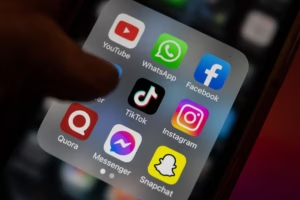
If passed, the law would require major platforms like Instagram, TikTok, Snapchat, and X (formerly Twitter) to verify user ages more effectively. This could mean:
-
Mandatory ID or secure verification systems
-
Heavier fines for non-compliance
-
Changes in how content is recommended to young users
Tech companies have long resisted strict age-verification laws, citing privacy concerns, but Spain’s proposal may push the EU toward tighter digital regulations.
A Growing Global Trend
Spain is not alone. Countries such as France, the UK, and Australia are also exploring ways to limit children’s access to social media or increase platform accountability. Experts say these efforts reflect rising concern over the mental health impact of social media on young people.
What Happens Next?
The bill is expected to go through parliamentary debate, where details such as enforcement, penalties, and exemptions will be clarified. If approved, Spain could become a model for other countries looking to regulate social media use among minors.
As governments worldwide rethink digital safety, Spain’s proposal marks a significant moment in the ongoing effort to balance freedom, technology, and child protection.